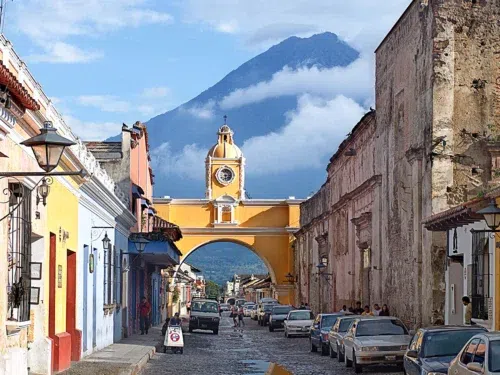
New York City is a diverse melting pot of cultures, and one of the city's most vibrant and influential communities is the Latin American community. From the thumping rhythms of salsa and reggaeton to the cannot-resist smells of empanadas and mofongo, Latin culture in New York is alive and thriving in every borough. It is not only a part of the city but also contributes to its very identity.
Here, we discuss how Latin New York cuisine, as much as Latin American culture in general, infuses everyday life throughout NYC. From cuisine to celebrations, from art to protest, Latin culture throbs throughout the arteries of this cosmopolitan city.
The Rich Tapestry of Latin American Culture
Latin American culture is heavily diverse, influenced by centuries of indigenous culture, European conquest, African influence, and global immigration. From Mexico and Puerto Rico to Colombia, Argentina, and the Dominican Republic, each Latin American nation brings its own customs, tastes, languages, music, and tales to the larger Latin culture tapestry.
When we speak of Latin America culture, we are not speaking of a monolith. Rather, we are celebrating the richness of many different identities and histories. This diversity is most evident in New York City, where individuals from nearly every country in Latin America have made a home and established successful communities.
Latin Culture in New York: A Powerful Presence
Latin culture in New York isn't just out there—it's alive, impactful, and constantly changing. NYC has more than 2.4 million people who identify as Hispanic or Latino, making it one of the largest Latin populations in the United States. Neighborhoods such as Washington Heights, the South Bronx, East Harlem (El Barrio), Jackson Heights, and Sunset Park have a strong Latin heritage.
There, Latin customs are maintained and honored—be it by means of music in the park, graffiti on the walls, family reunions, or shopfronts prominently displaying the flags of nations such as Puerto Rico, Ecuador, and the Dominican Republic.
Cultural centers like El Museo del Barrio and the Caribbean Cultural Center African Diaspora Institute provide venues for exhibitions and events that honor Latin American culture. These mediums provide opportunities for Latin artists, chroniclers, musicians, and historians to be heard, connecting past with present.
Latin Cuisine in New York: A Culinary Paradise
When it comes to cuisine, Latin food in New York is a vault of flavors and customs. Whether you are in the mood for Cuban sandwiches in Midtown, Peruvian ceviche in Queens, Colombian arepas in Brooklyn, or Dominican mangu in the Bronx, there's a Latin dish for every whim.
New York's Latin eateries serve up more than a meal—more of an experience. Establishments such as La Fonda Boricua in Harlem, Casa Enrique in Long Island City, and Victor's Café in Manhattan blend authentic recipes with a welcoming ambiance that is indicative of Latin hospitality.
Food carts and street vendors are also a large part of dispersing Latin food in New York. Tacos al pastor, tamales, pupusas, and churros are available on street corners from the Bronx to Brooklyn. The vendors are frequently first- or second-generation immigrants who bring their home flavors to the city—one plate at a time.
Music, Dance, and Festivals
One cannot explore Latin culture without mentioning music and dance. In New York, Latin rhythms spill from nightclubs, street festivals, and community centers. Salsa, bachata, reggaeton, merengue, and cumbia electrify crowds, reminding us of music’s role in identity and resistance.
The National Puerto Rican Day Parade, Dominican Day Parade, and Carnaval de la Cultura Latina, which take place every year, are large city-wide celebrations of Latin culture in New York in all its glorious color. These parades celebrate everything from classic folk dance and costume to contemporary Latin hip-hop and spoken word.
The Influence of Latin Culture on Fashion and Media
Latin culture also pervasively impacts New York's media and fashion worlds. Designers of Latin descent—such as Oscar de la Renta and Narciso Rodriguez—have created global waves while borrowing from their roots. LatinTRENDS itself is proof of how Latin voices are dictating discussion about style, beauty, business, and entertainment.
Latin voices are more audible than ever before on TV, radio, and the internet. Whether it is through bilingual media, YouTube personalities, or Latinx podcasts, Latin America culture is taking on new meaning in an international context for younger generations.
A Cultural Bridge Between Latin America and New York
What keeps New York's Latin culture so vibrant is the ongoing flow of exchange between the city and Latin America. Families commute back and forth, traditions get modernized generation after generation, and new hybrids emerge. A Dominican-American might combine island cuisine with vegan NYC styles. A Colombian artist in Brooklyn can blend cumbia rhythms with jazz.
This cultural exchange enriches both the two sides of the hemisphere, and New York's Latin culture is a bridge—a place where old and new meet, heritage and innovation converge.
The Future of Latin Culture in NYC
As we move ahead, Latin culture in New York will have an ongoing role in shaping the city's future. With increasing Latin entrepreneurs, artists, chefs, and leaders coming into the spotlight, the next generation is becoming a continuation of the legacy of previous generations.
Media outlets and organizations such as LatinTRENDS are important for recording, honoring, and projecting the stories of Latin communities. They ensure that the voices of Latin communities are not only heard but heard with respect and remembered.
Conclusion
Whether you’re savoring Latin cuisine in New York, attending a local cultural event, or walking through a mural-covered block, you’re participating in a powerful, living tradition. Latin culture in New York is not just about where people come from—it’s about how they thrive, connect, and create in the city they now call home.
From cuisine to style, from sound to activism, the essence of Latin American culture is omnipresent in NYC. It is a ode to identity, unity, and strength—and it's getting more powerful by the day.
